The bustling symphony of a commercial kitchen—the sizzle of oil, the hiss of steam, the clatter of pots—is a highly efficient operation, but efficiency comes at a cost. If that cost is neglect, the consequences can range from reduced airflow to serious safety hazards. At the heart of maintaining that smooth operation lies the often-overlooked task of filter cleaning. Understanding what is the recommended frequency for commercial kitchen filter cleaning? is not merely a compliance checkbox; it is a critical pillar of operational safety, air quality, and equipment longevity. These filters are the lungs of your kitchen, and if they are clogged, the entire system struggles to breathe.
This comprehensive guide will delve into the science, the operational variables, and the best practices necessary to create a robust, effective, and safe cleaning schedule for your commercial kitchen filters.
The Critical Role of Filter Maintenance in Kitchen Safety and Efficiency
Filters are designed to capture airborne contaminants, grease particulates, and smoke residue. When they perform this function, they are working hard, often under extreme heat and highly corrosive conditions. Ignoring their condition is like asking a car engine to run on fumes—eventually, something is going to sputter, stall, or worse.
Why Filtration Frequency Matters
The primary reason filter cleaning frequency is so critical is rooted in three areas: fire safety, air quality, and equipment performance.
- Fire Prevention: Clogged filters can act as fuel sources. Excessive buildup of grease and particulate matter can reach flashpoint temperatures, creating a significant fire risk. Regular cleaning prevents this buildup from becoming an inferno waiting to happen. Air Quality and Health: Poorly maintained filters recirculate contaminants back into the kitchen environment. This affects the health of your staff, potentially leading to respiratory issues and creating an unpleasant working atmosphere. Equipment Longevity: Filters are integral to HVAC (Heating, Ventilation, and Air Conditioning) systems. When they restrict airflow, the motors and fans have to work harder, consuming more energy and shortening the lifespan of expensive equipment.
Understanding Contaminant Buildup
It's not just grease. The buildup is a complex cocktail of elements:
- Grease: The most obvious culprit, derived from cooking oils and fats. Particulate Matter: Tiny solids from food processing, dust, and general kitchen activity. Smoke Residue: Carbon buildup from high-heat cooking processes.
The combination of these elements is what rapidly degrades the filter's efficiency and poses a physical hazard.
Determining the Ideal Cleaning Schedule: Beyond the Calendar Date
While some basic guidelines suggest cleaning monthly, relying solely on a calendar date is like giving a doctor an appointment time without considering your current symptoms. The recommended frequency for commercial kitchen filter cleaning is not a one-size-fits-all answer; it must be dictated by a dynamic assessment of your specific operational environment.
Factors That Accelerate Filter Degradation
Several variables can accelerate the pace at which your filters become This website overwhelmed. Consider these factors when determining what is the recommended frequency for commercial kitchen filter cleaning?
- Cooking Methods: High-volume deep-frying operations will generate grease far faster than, say, a bakery that primarily uses ovens. Kitchen Volume: A large, high-traffic kitchen with numerous cooking stations will accumulate contaminants faster than a small, specialized unit. Local Environment: If your kitchen is located in an area with high outdoor pollution (e.g., near industrial exhaust), the filters will bear an added burden. Maintenance Practices: If filters are allowed to accumulate excessive grease and are cleaned improperly (e.g., using ineffective solvents), the buildup accelerates.
The Importance of Visual Inspection
A crucial piece of advice often overlooked is the power of the visual inspection. The filters should be inspected weekly. If, during this inspection, you notice:
- A noticeable reduction in airflow (e.g., fans sound strained). A significant yellowing or blackening of the filters. Visible grease saturation that appears to be coating the filter media.
...then the cleaning frequency needs to be increased immediately.
Best Practices for Deep Cleaning and Maintenance
Cleaning filters is not simply wiping them down. It requires a systematic approach that ensures both safety and maximum efficacy.
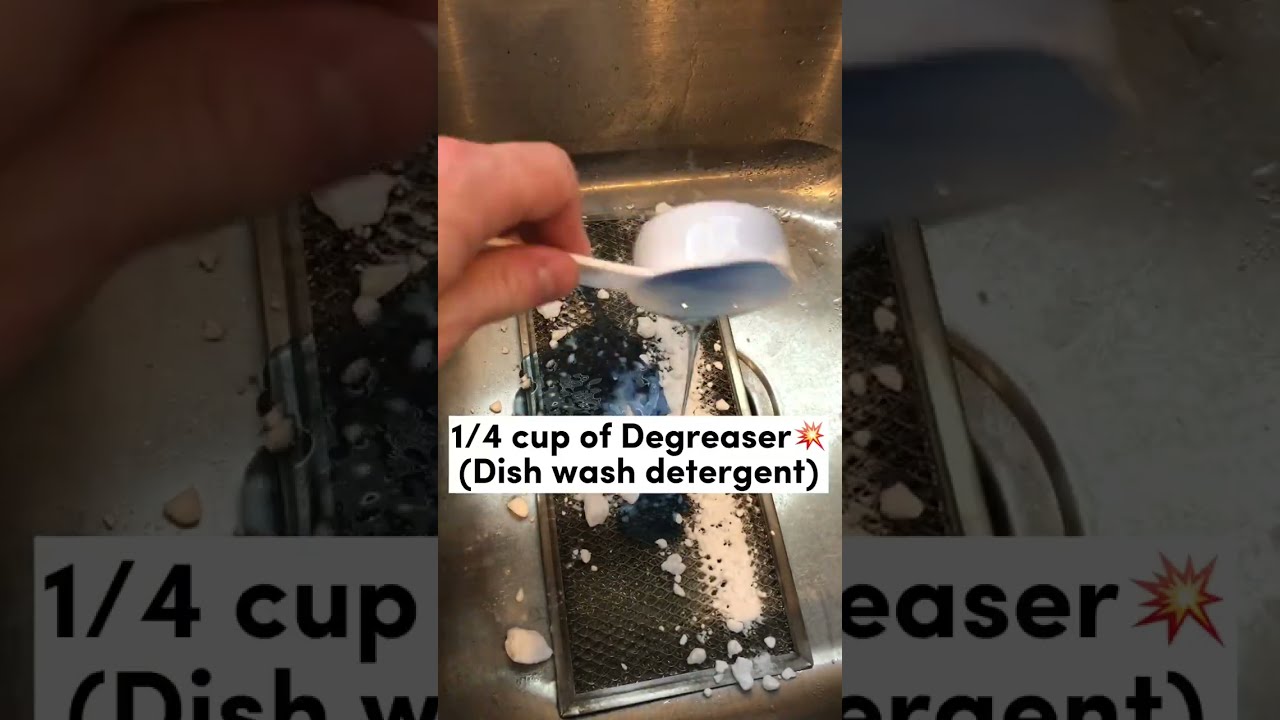
The Cleaning Process: Step-by-Step
Proper cleaning involves more than just a hose and elbow grease.

"A well-maintained system is the difference between smooth operation and costly emergency repairs."
This principle holds true for both mechanical systems and operational processes. When it comes to maintenance, being proactive is always cheaper than being reactive.
The Financial and Operational Benefits of Proactivity
Many owners treat filter cleaning as a necessary evil—a cost center to be minimized. However, viewing it as a preventative investment changes the equation entirely.
According to the National Kitchen & Economic Service (NKES), proper ventilation maintenance can extend the life of major equipment by years. By keeping filters clean, you are essentially lubricating the machine of your business. Are you willing to risk a massive breakdown simply to save a few dollars on preventative maintenance?
Optimizing Your Kitchen’s Ventilation System
The final step in managing filter frequency is optimizing the entire ventilation system. A strong, efficient system minimizes the burden on the filters, making the cleaning schedule more predictable.
Developing a Customized Maintenance Protocol
Instead of accepting generic guidelines, create a written maintenance protocol tailored to your specific operations. This protocol should include:
- Daily: Visual inspection of visible filters and grease traps. Weekly: Deep cleaning of all accessible filters. Monthly: Professional inspection of the entire exhaust system and ductwork. Quarterly/Semi-Annually: Comprehensive deep cleaning and professional assessment of the filtration media itself.
By adhering to this structured approach, you ensure that your kitchen's air quality remains pristine and that your equipment operates at peak efficiency. Remember, the goal is not just to clean the filters, but to maintain the integrity of the entire air management system.
By treating filter cleaning as a critical, ongoing operational task—rather than an afterthought—you safeguard your staff, protect your bottom line, and ensure that the symphony of your commercial kitchen continues to play without a hitch. Taking control of your filtration schedule is the simplest way to ensure long-term success in a demanding culinary environment.
